HUMAN CENTRIC URBAN DESIGN
Curatorial text by: Paolo Vimercati, Urban Architect Lead designer of the ‘Boulevardi i Ri’ Masterplan
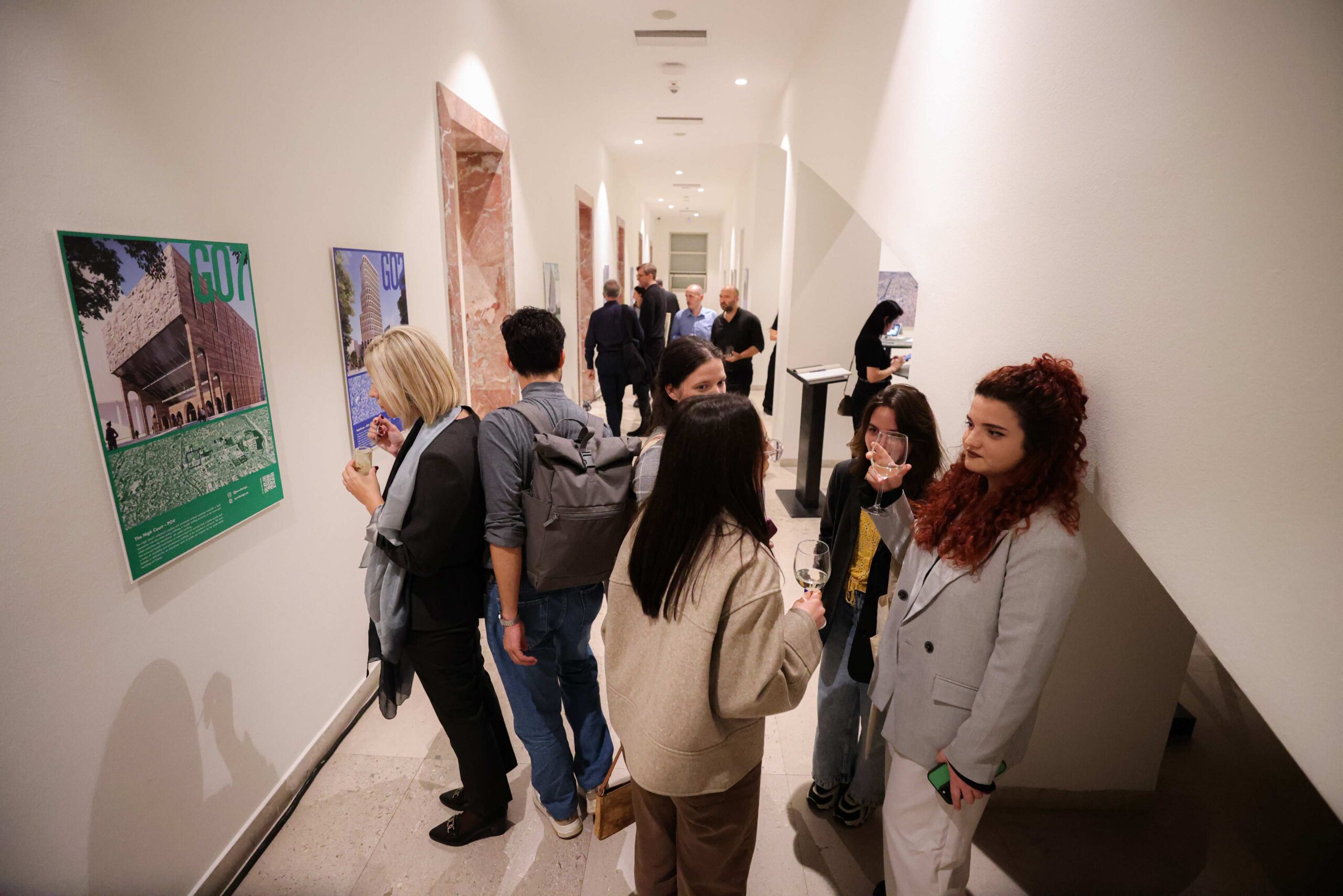
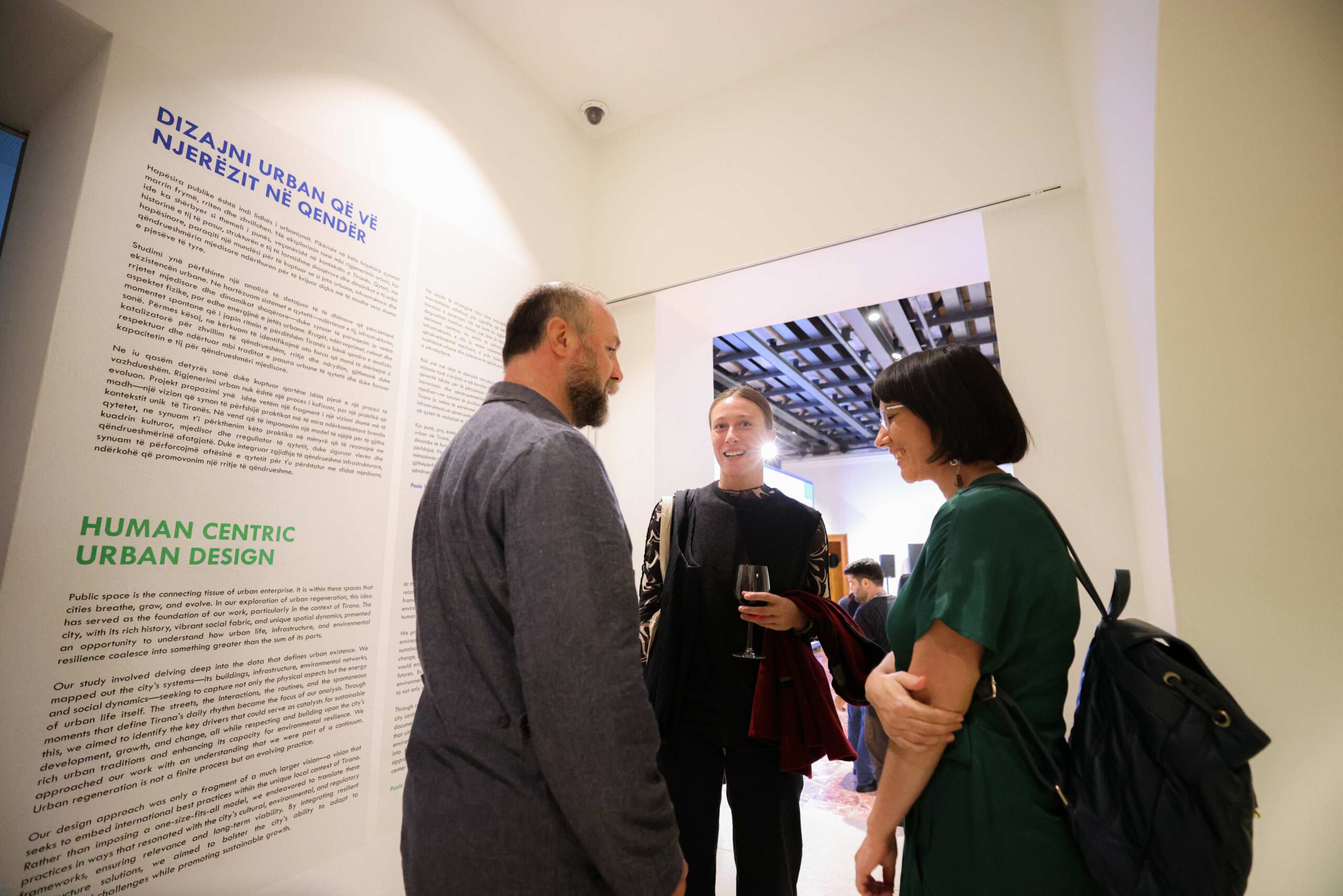
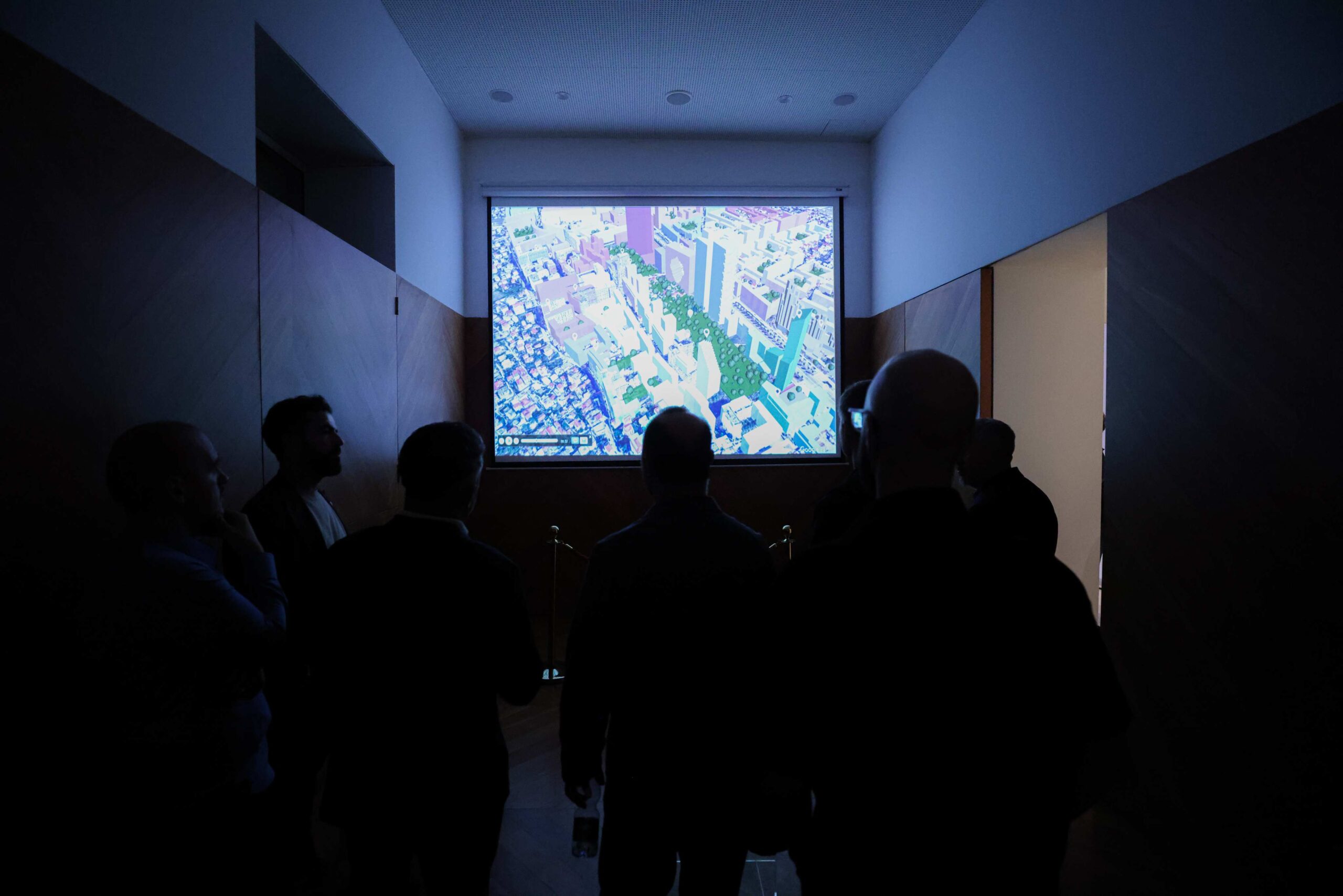
Public space is the connecting tissue of urban enterprise. It is within these spaces that cities breathe, grow, and evolve. In our exploration of urban regeneration, this idea has served as the foundation of our work, particularly in the context of Tirana. The city, with its rich history, vibrant social fabric, and unique spatial dynamics, presented an opportunity to understand how urban life, infrastructure, and environmental resilience coalesce into something greater than the sum of its parts. Our study involved delving deep into the data that defines urban existence. We mapped out the city’s systems—its buildings, infrastructure, environmental networks, and social dynamics—seeking to capture not only the physical aspects but the energy of urban life itself. The streets, the interactions, the routines, and the spontaneous moments that define Tirana’s daily rhythm became the focus of our analysis. Through this, we aimed to identify the key drivers that could serve as catalysts for sustainable development, growth, and change, all while respecting and building upon the city’s rich urban traditions and enhancing its capacity for environmental resilience. We approached our work with an understanding that we were part of a continuum. Urban regeneration is not a finite process but an evolving practice. Our design approach was only a fragment of a much larger vision—a vision that seeks to embed international best practices within the unique local context of Tirana. Rather than imposing a one-size-fits-all model, we endeavored to translate these practices in ways that resonated with the city’s cultural, environmental, and regulatory frameworks, ensuring relevance and long-term viability. By integrating resilient infrastructure solutions, we aimed to bolster the city’s ability to adapt to environmental challenges while promoting sustainable growth. At the heart of our strategies was the relationship between humans and nature. This relationship guided every choice we made, from the design of spaces to governance frameworks. In a world where urban expansion often comes at the cost of environmental degradation, our mission was to foster a symbiosis between nature and human activity, where each enhances the other. We prioritized infrastructure that not only supports urban life but also strengthens environmental resilience, such as green spaces that mitigate urban heat islands and sustainable drainage systems that reduce flood risks. Our role was not to dictate change, but to enable it. We understood our mission as creating a framework that would empower citizens, entrepreneurs, and city governments alike to define their futures. By fostering collaboration, innovation, and resilience—both social and environmental—we sought to develop strategies and spaces that would allow Tirana to not only adapt to change but to drive it. Through resilient infrastructure and community engagement, we aimed to ensure the city continues to thrive for generations to come. This work, therefore, is more than a documentation of urban regeneration efforts in Tirana; it is a reflection of our belief that cities are dynamic entities shaped by the people who live within them and the environments they inhabit. Through this lens, we hope to inspire further exploration into how urban life can be shaped by thoughtful, inclusive, and sustainable approaches that place people, infrastructure, and environmental resilience at the center of all decisions.